Tilbage til forskningsbiblioteket
Original publikation
Antidepressiva ved bipolar depression: Fra neurotransmittermekanismer til kliniske udfordringer
Studiet undersøger behandling af bipolar lidelse, som er kendetegnet ved skiftende episoder med mani/hypomani og depression samt perioder med remission. Artiklen belyser de farmakologiske udfordringer ved at behandle både maniske/hypomane og depressive faser samt forebygge tilbagefald.
Titel og resumé er skrevet på dansk med AI ud fra den originale publikation. Originalteksten står nedenfor.
Pardossi S, Fagiolini A, Cuomo A. · Actas espanolas de psiquiatria · 2025
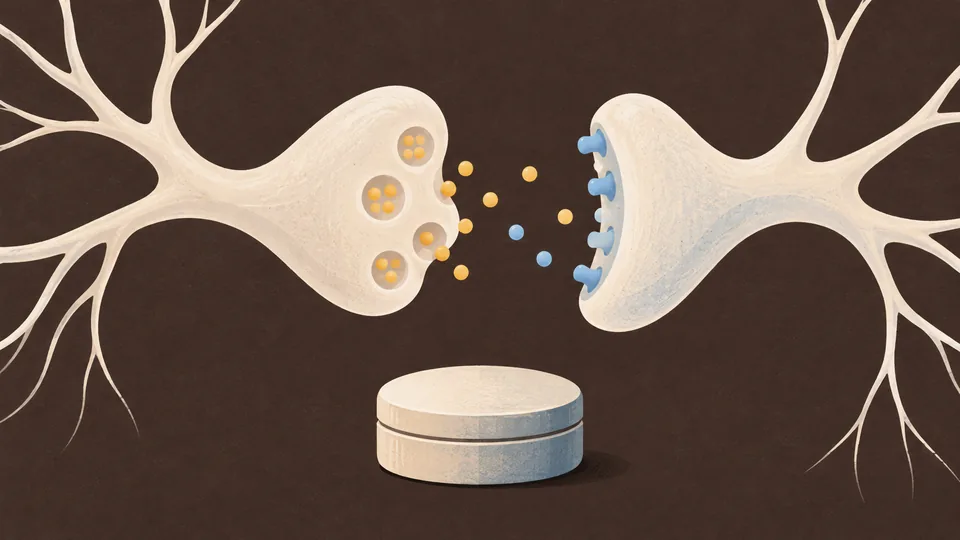 AI-billede
CC BY 4.0 · © 2025 The Author(s).
Teksten oversættes automatisk og kan indeholde fejl. Originalteksten på engelsk er den gældende. Oversættelsen er ikke medicinsk rådgivning.
Antidepressants in Bipolar Depression: From Neurotransmitter Mechanisms to Clinical Challenges
Original dokumenttekst
Abstract
Bipolar disorder (BD) is characterized by the occurrence of manic/hypomanic and depressive episodes, with the latter having a significant impact on morbidity, mortality and overall quality of life. Current guidelines for bipolar depression provide limited treatment options, with only a few approved therapies. Despite these limitations, approximately 50–60% of individuals diagnosed with BD are prescribed antidepressants. However, the use of these medications remains controversial due to risks of manic induction, rapid cycling, and symptom destabilization. This review explores the neurotransmitter mechanisms underpinning the phases of BD, focusing on monoamines and assessing the efficacy and safety of different antidepressant medications in the treatment of bipolar depression. Norepinephrine and dopamine have been identified as neurotransmitters associated with both depressive and manic poles, with a proposed deficit in depression and an increase in mania. The evidence indicates that serotonin is deficient during depressive phases, yet its imbalance also manifests in mania. Selective serotonin reuptake inhibitors (SSRIs), which primarily increase serotonin levels, are generally safer than tricyclic antidepressants (TCAs) and show promising—though not definitive—results, especially when combined with mood stabilizers. Other newer-generation antidepressants may also have potential for the treatment of bipolar depression. The heterogeneity of mood disorders poses a significant challenge in the diagnosis of BD, which is often ambiguous and complex. The natural mood fluctuations associated with BD, in conjunction with the frequent comorbidities such as anxiety, render the treatment of this condition particularly challenging, particularly in the context of antidepressant therapy. While clinical trials are conducted with the utmost rigor, they frequently fail to account for the intricacies of the real-world context due to the strict inclusion criteria. The identification of predictors of effective antidepressant use, such as symptom severity and comorbid conditions, has the potential to enhance treatment outcomes. Future research should aim to identify individualized predictors and deepen understanding of mood disorder spectra to optimize antidepressant use in bipolar depression.
Introduction
Bipolar Disorder and Bipolar Depression
Bipolar disorder (BD) is a well-established psychiatric condition, as defined by the Diagnostic and Statistical Manual of Mental Disorders, Fifth Edition, Text Revision (DSM-5-TR). The condition is characterized by the occurrence of alternating manic/hypomanic and depressive episodes, interspersed with periods of remission [1, 2]. This intermittent nature of the condition poses significant challenges to pharmacological treatment [2, 3]. The management of BD involves the treatment of manic and hypomanic episodes, the treatment of depressive phases, and the implementation of prophylaxis to prevent relapses in either direction [2, 3].
Each episode exhibits diverse characteristics, varying both between patients and within the same patient across episodes [1, 2]. Depressive episodes in BD involve cognitive, affective, and neurovegetative symptoms, sometimes accompanied by changes in thought form and content [1]. Conversely, manic and hypomanic episodes typically manifest as mood alterations, disrupted sleep, increased energy, and, in severe cases, the onset of psychotic symptoms [4, 5]. In light of a dimensional approach to BD, treatment is frequently oriented towards targeting disparate symptoms, and on occasion, even contrasting ones, such as mixed symptoms [6, 7, 8]. BD frequently co-occurs with other disorders, including personality disorders, substance abuse, and anxiety disorders [9, 10].
Bipolar depression is of particular concern due to its association with significant morbidity and mortality. This is due to the fact that depressive episodes are far more frequent and typically more prolonged than manic episodes [5, 11]. Individuals with BD spend up to three times more time in depressive states than in manic or hypomanic episodes [5, 11]. The consequences of bipolar depression are far-reaching, resulting in elevated levels of disability and diminished quality of life when compared to the manic phases of BD [12]. This is evidenced by the adverse effects on cognitive function, psychosocial outcomes, and employment status, frequently leading to socioeconomic disadvantages [13, 14]. Depressive symptoms in BD, including anhedonia, psychomotor retardation, and pervasive mood dysregulation, contribute to high rates of relapse and hospitalization, significantly impacting the individual’s social and occupational functioning over time [13]. Notably, suicidal ideation and behaviors are markedly elevated during depressive episodes, with rates approximately 20–30 times higher than in the general population [14], contributing to the elevated mortality risk in BD [14]. The significance of depressive episodes in BD is widely recognized, not only due to their comparatively longer duration over the course of patients’ lives but also due to their significant impact on functioning [12].
Bipolar Depression Treatment–Current Status
Regarding the treatment of BD, long-term management involves the use of mood stabilizers such as lithium, valproate, and lamotrigine, as well as atypical antipsychotics, including quetiapine, aripiprazole, lurasidone, and cariprazine [2].
Nevertheless, the treatment of bipolar depression remains a significant challenge, with a limited number of approved medications specifically approved for this phase. In countries such as the United States, several medications have been approved for the treatment of bipolar depression in adults, including quetiapine [15], lurasidone [16], the olanzapine-fluoxetine combination [17], cariprazine [18], and lumateperone [19].
Conversely, the European Medicines Agency (EMA) has approved only quetiapine for bipolar depression [20]. This discrepancy engenders challenges for clinicians, who often lack clear and locally applicable guidelines for effectively managing this debilitating condition. Consequently, it has been observed that approximately 50–60% of patients with BD are prescribed antidepressants, with notable variation across healthcare systems [21]. For instance, a Danish study found that approximately 50% of bipolar patients continued using antidepressants for at least two years after diagnosis, with a significant proportion receiving antidepressants without concurrent mood stabilizers [22], raising clinical concerns about the risk of manic induction [23]. A similar trend was observed in the United States, where antidepressants were prescribed in 57.5% of outpatient bipolar visits by 2016, reflecting a two-decade trend toward increased use, often without mood-stabilizing agents [24]. The utilization of antidepressants in bipolar depression remains a subject of considerable controversy. While antidepressants are widely utilized for the treatment of major depressive disorder, their efficacy in bipolar depression remains a subject of debate. This review aims to explore the monoaminergic underpinnings of BD phases and analyze existing evidence regarding the use of antidepressants from various classes in the treatment of bipolar depression.
Monoamines in Bipolar Disorder
The neurobiology of BD is characterized by a fundamental aspect of neurotransmitter dysregulation. Within the framework of the monoaminergic theory of mood disorders, extensive research has been conducted on the role of dopamine, norepinephrine, and serotonin in affective disorders [25]. Elevated urinary levels of norepinephrine and dopamine have been linked to the onset of mania and the transition into manic episodes [26].
The role of dopamine in BD has been a cornerstone of its neurobiological understanding, particularly in relation to the contrasting states of mania and depression. Manic episodes are strongly associated with hyperdopaminergic activity, characterized by elevated dopamine synthesis and transmission within the mesolimbic and mesocortical pathways, key regions involved in reward processing and cognitive control [27]. This hyperactivity is associated with increased reward sensitivity, impulsivity, and risk-taking behaviors frequently observed during manic phases [27, 28]. Neuroimaging studies have demonstrated increased dopamine receptor availability, particularly at D2/3 receptors, in individuals experiencing mania [27]. These findings are further supported by the efficacy of antidopaminergic agents, which directly target these pathways to reduce manic symptoms [27, 29, 30]. Animal models confirm these observations. The pharmacological induction of hyperdopaminergic states, such as through amphetamine administration or dopamine transporter knockout, leads to manic-like behaviors, including hyperlocomotion and increased exploratory activity [27, 31]. Conversely, lesions in dopaminergic regions, such as the ventral tegmental area (VTA) or the substantia nigra, result in depressive-like behaviors, thereby reinforcing the bidirectional role of dopamine dysregulation in BD [27]. Studies in humans further corroborate dopamine’s role. A study using amphetamines has provided direct evidence of this link [32]. For instance, research employing positron emission tomography (PET) imaging has shown that dopamine release in the anteroventral striatum (AVS)—a region comprising the nucleus accumbens, ventromedial caudate, and anteroventral putamen—correlates strongly with the euphoric response induced by amphetamines [32]. This relationship highlights the AVS as a critical region for dopamine’s role in hedonic and emotional processing. Notably, this correlation was not observed in other regions, such as the dorsal caudate, underscoring the unique sensitivity of the ventral striatum to dopamine release and its association with manic-like symptoms [32]. Furthermore, lithium, a prominent therapeutic option for BD, is believed to stabilize mood, at least in part, by facilitating the metabolic conversion of dopamine to its inactive form [33]. This reduces dopaminergic activity and helps to regulate manic symptoms [32, 33].
In contrast, depressive episodes have been linked to hypodopaminergic states, marked by reduced dopamine synthesis, release, and receptor activity in key regions implicated with reward and motivation, such as the striatum and prefrontal cortex [27, 29]. Elevated dopamine transporter (DAT) levels, observed in neuroimaging studies of individuals with bipolar depression, may contribute to the diminished dopaminergic tone observed in these patients [27]. This hypodopaminergic state aligns with hallmark symptoms of bipolar depression, including anhedonia, low energy, and reduced motivation [27, 29].
The dopamine hypothesis of bipolar disorder has evolved into a “failure of homeostasis” model, proposing that intrinsic dysregulation of dopamine receptor and transporter mechanisms contributes to the pathophysiology of bipolar disorder [27, 29].
Elevated norepinephrine levels have been observed during manic episodes, contributing to the physiological hyperarousal and increased goal-directed activity characteristic of mania [28]. The metabolite of norepinephrine, 3-methoxy-4-hydroxyphenylglycol (MHPG), is also consistently elevated in individuals experiencing manic states, suggesting a strong correlation between noradrenergic hyperactivity and manic symptoms [26, 34]. Studies further indicate that patients in a manic episode exhibit higher levels of MHPG than those in depressive or remission states [26, 35, 36]. This finding lends further support to the hypothesis that norepinephrine plays a central role in manic episodes [26, 35, 36]. During depressive phases, reduced norepinephrine activity, particularly in the prefrontal cortex and limbic system—regions critical for mood and emotional processing—is linked to depressive symptoms. These regions are dependent on adequate noradrenergic signaling for optimal functionality [37].
Serotonin also plays a key role in the pathophysiology of BD, particularly during depressive episodes. A reduction in central serotonergic activity is a typical feature of bipolar depression, and is associated with a range of symptoms, including low mood, anhedonia and decreased energy [28, 38, 39]. The findings of numerous cerebrospinal fluid (CSF) studies indicate that individuals presenting with depressive symptoms exhibit consistently reduced levels of serotonin and its metabolite, 5-Hydroxyindoleacetic acid (5-HIAA) [28, 38]. This evidence underscores the importance of serotonin deficiency in the pathogenesis of depression. Post-mortem studies have also demonstrated reduced availability of serotonin transporter (SERT) in the brainstem of individuals with depressive disorders, suggesting that impaired serotonergic transmission may serve as a trait marker predisposing individuals to mood dysregulation [40]. The role of serotonin in mania, however, is not fully elucidated. Some studies report increased serotonin turnover, while others suggest diminished serotonergic responsiveness during manic phases [38]. This inconsistency suggests the possibility of a modulatory effect, whereby serotonin exerts an indirect influence on the severity of manic symptoms through interactions with other neurotransmitters, particularly dopamine [38, 39]. Given that serotonin plays a role in regulating impulsivity and response to external stimuli, it can be postulated that dysregulation of this neurotransmitter could impair behavioral control, thereby exacerbating both manic and depressive symptoms when serotonin levels are not properly balanced [39, 41, 42]. Despite these findings, recent research on serotonin’s role in BD remains limited, especially regarding its direct effects on mood cycling.
Efficacy of Various Antidepressants in Bipolar Depression
The efficacy of antidepressants in treating bipolar depression has been investigated across different pharmacological classes, including selective serotonin reuptake inhibitors (SSRIs), serotonin-norepinephrine reuptake inhibitors (SNRIs), tricyclic antidepressants (TCAs), other antidepressants, and novel agents such as esketamine. Nevertheless, the effectiveness of these medications remains a subject of debate. This is due to the heterogeneous responses of patients with BD and the potential risks of manic induction, rapid cycling, and symptom destabilization.
In comparison to the extant literature on SSRIs and SNRIs, there is a paucity of recent studies on the use of tricyclic antidepressants in BD. This paucity of research can be attributed, at least in part, to the recognized high risk of inducing mood switches with TCAs [43]. Indeed, a 2009 study demonstrated that patients with BD who were treated with TCAs exhibited a significantly higher risk of experiencing a switch in their mood state compared to those who were treated with other antidepressant medications [44].
Selective Serotonin Reuptake Inhibitors (SSRIs) and Serotonin-Norepinephrine Reuptake Inhibitors (SNRIs) in Monotherapy
SSRIs are among the most commonly prescribed antidepressant medications. Generally, SSRIs inhibit the SERT, thereby increasing serotonin levels in the synaptic cleft [45]. They may also impact neuroplasticity and neuroinflammation, though these effects remain secondary to their primary serotonergic mechanism [46, 47]. However, in consideration of the monoaminergic theory of depression, their primary effect is to increase serotonin levels [44]. At medium to high doses, some SSRIs might influence other neurotransmitters. For instance, sertraline has been shown to modulate dopamine balance [39, 48], while fluoxetine may influence the norepinephrine transporter (NET) [49]. However, at minimal therapeutic doses, most SSRIs primarily act on the SERT, resulting in increased serotonin levels [46, 47].
SNRIs similarly increase serotonin levels but also target norepinephrine by blocking the NET, particularly at higher doses [50]. For instance, venlafaxine initially acts predominantly as a SERT inhibitor and only inhibits NET at increased dosages [51].
A paucity of randomized trials exists that assess the efficacy of SSRIs and SNRIs in the treatment of bipolar depression (Table 1, Ref. [52, 53, 54, 55, 56, 57]). A notable early study compared bipolar patients treated with fluoxetine (10–30 mg/day), olanzapine (5–20 mg/day), the fluoxetine/olanzapine combination (10–40 mg/day/5–15 mg/day), or placebo. A significant reduction in depressive symptoms was observed in all groups, with no evidence of increased manic symptoms. However, the primary limitation of this study was its relatively small sample size [52].
Another study evaluated escitalopram (10 mg/day) in comparison to placebo. At the three-month mark, patients treated with escitalopram exhibited a reduction in depressive symptoms and an improvement in functioning, accompanied by a decline in the number of days with elevated mood [53]. However, the relatively small sample size represents a limitation.
In a subsequent study, the efficacy of monotherapy with paroxetine (20 mg/day) was compared to that of quetiapine (300–600 mg/day). Following an eight-week period, paroxetine did not significantly improve depressive symptoms relative to placebo. However, paroxetine demonstrated superior efficacy in reducing anxiety symptoms, with no significant manic switches reported [54].
A further study compared bipolar patients treated with lithium monotherapy to those treated with venlafaxine monotherapy. The study revealed that venlafaxine was more effective in treating depressive symptoms, while there were no statistically significant differences in hypomanic symptoms between the two groups. It is noteworthy that venlafaxine was initiated at a dosage of 37.5 mg/day and subsequently increased in a gradual manner, with increments of 37.5–75 mg per week [55]. Another recent study demonstrated the safety and efficacy of venlafaxine at 75 mg/day, showing no increased risk of manic episodes [56].
Sertraline has also been considered as a treatment option. A recent study compared bipolar patients with depressive symptoms across three groups: sertraline monotherapy, lithium monotherapy, and a combination of lithium and sertraline (in sertraline monotherapy, most patients received 100 mg/day) [57]. No patients experienced a manic switch, although some exhibited hypomanic symptoms, with no statistically significant differences among the groups. Similarly, no significant differences in antidepressant efficacy were identified across the three groups [57].
Antidepressants in Combination With Antipsychotics/Mood Stabilizers
In clinical practice, antidepressants are frequently prescribed in conjunction with other medications, particularly for patients with BD. The utilization of mood stabilizers is an essential consideration in such cases. The findings from meta-analyses remain somewhat inconsistent. A meta-analysis conducted in 2016 [58] indicated that patients treated with an antidepressant (in combination with a mood stabilizer and antipsychotic) showed a slight yet statistically significant improvement in depression severity scores compared to those receiving placebo (alongside a mood stabilizer). However, no significant differences were observed in response or remission rates. The risk of switching to mania or hypomania was not elevated in the short term; it became significant only over longer periods (52 weeks), suggesting that antidepressants should be used cautiously and for short durations.
A 2022 meta-analysis [59] encompassed randomized controlled trials (RCTs) on adult patients experiencing a depressive phase within BD. The analysis compared patients who were prescribed mood stabilizers or antipsychotics exclusively with those also taking antidepressants, including fluoxetine, sertraline, citalopram, paroxetine, and others. While some trials reported superior outcomes in the antidepressant group, the meta-analysis did not reveal statistically significant overall improvement. However, a subgroup analysis found that trials incorporating antipsychotics (instead of mood stabilizers) demonstrated better outcomes in the antidepressant group [59]. Importantly, the analysis did not indicate an increased risk of switching to mania in the antidepressant group. Nevertheless, the duration of the studies (6 to 26 weeks) precludes conclusions regarding long-term safety and efficacy. In 2023, a study investigating the efficacy of bupropion or escitalopram for maintenance therapy following a depressive episode in bipolar patients found no long-term benefits. On the contrary, there was a higher incidence of hypomanic and manic symptoms with continued antidepressant therapy [60].
More recently, a 2024 meta-analysis [61] demonstrated an increased response rate in patients treated with antidepressants (in addition to mood stabilizers or antipsychotics) compared to those treated only with mood stabilizers or antipsychotics. These findings are more consistent with the results of the 2016 meta-analysis [58], but the long-term effects of antidepressants in this population remain inconclusive.
Potential Role of Other Antidepressants
The treatment of BD has also been explored with antidepressant medications beyond the selective SSRI and SNRI classes. For example, some case reports suggest that trazodone, mirtazapine, and agomelatine may be effective in treating insomnia and may also serve as antidepressants in BD, at low doses and/or in combination with a mood stabilizer [62]. In addition, trazodone has shown potential efficacy in the treatment of psychomotor agitation in patients with BD, especially in its parenteral formulation [63]. A preliminary open-label study indicated that agomelatine was effective in improving sleep and depressive symptoms in bipolar patients. However, hypomanic/manic switching occurred in 14% of patients [64]. Vortioxetine has also shown efficacy in alleviating depressive symptoms associated with BD, although a phase switch rate of 11% was observed in the study sample [65].
Esketamine represents a promising alternative. Unlike traditional monoaminergic antidepressants, esketamine acts on the glutamatergic system, providing a rapid onset of action and a novel mechanism to address depressive symptoms [66]. Although more research is needed to clarify its precise role in bipolar depression, preliminary results suggest that it may be both effective and safe, particularly with regard to minimizing the risk of hypomanic or manic switches [67]. Recent findings from a multicentric naturalistic study have demonstrated the efficacy and safety in patients with bipolar treatment-resistant depression (B-TRD) [68]. In this study, esketamine nasal spray significantly reduced depressive symptoms, with improvements observed as early as the first month of treatment and sustained over three months. Notably, these effects were achieved with a low incidence of manic or hypomanic switches [68]. Furthermore, a recent study involving 45 patients with bipolar depression treated with either intravenous ketamine or intranasal esketamine reported that no patients exhibited hypomanic or manic symptoms during the acute phase of treatment. These findings reinforce the safety profile of esketamine and underscore its potential as an innovative and effective therapeutic option for managing bipolar depression [69].
Discussion
The topic of treating bipolar depression and maintaining its remission with antidepressants has been extensively examined in the scientific literature, as evidenced by numerous systematic reviews and meta-analyses [43, 59, 70, 71, 72, 73]. This necessity arises from two factors: the relatively high prevalence of BD among psychiatric disorders and the predominance of depressive phases within the disorder that are often debilitating in nature [5, 11]. This pressing need has driven investigations into novel treatments or alternative pharmacological classes, such as antipsychotics, for the management of BD [2]. Consequently, many patients diagnosed with BD are treated with antidepressants, despite limited evidence supporting this approach [73]. However, several considerations must be taken into account when evaluating this discrepancy.
(1) The first challenging step is diagnosis. Bipolar I disorder, bipolar II disorder, and major depression should not be viewed as distinct and separate entities but rather as parts of a mood disorder spectrum [74]. Indeed distinguishing between BD and major depression at the initial evaluation of a depressive episode is often challenging [75, 76]. This diagnostic overlap also explains why this study did not focus exclusively on BD type I or type II. While evidence suggests a higher risk of antidepressant-induced switching in BD type I compared to type II [73], a longitudinal approach to monitoring affective symptom fluctuations may prove more clinically useful [75, 76].
(2) BD is characterized by frequent mood fluctuations and the occurrence of various affective phases, including mixed states [1, 13]. This complicates the evaluation of switches to hypomania or mania in studies involving antidepressants, as it is difficult to determine whether the switch reflects a natural phase shift, antidepressant treatment, or a combination of these factors.
(3) RCTs often fail to capture the complexity and heterogeneity of real-world bipolar disorder presentations [77]. BD often co-occurs with other psychiatric disorders, such as anxiety disorders, which may respond favorably to antidepressants like SSRIs [78]. It is imperative to consider the interplay between the current mood disorder and any psychiatric or medical comorbidities in order to make more informed pharmacological treatment decisions. However, many RCTs exclude patients with comorbidities. For example, studies like Parker’s only included patients who had never been treated with antidepressants, antipsychotics, or mood stabilizers [53]—a rare scenario in clinical practice, where polypharmacy is common. Additionally, some trials have very small sample sizes, such as 10 patients [53], 34 patients [52], and 40 patients [56], which limits their generalizability.
One major concern regarding the use of antidepressants in BD is the risk of mood swings or, more generally, the emergence of hypomanic or manic symptoms [73]. However, this risk has been shown to be lower with SSRIs than with tricyclic antidepressants [72, 73]. To contextualize this, it is essential to review the role of serotonin in affective disorders. SSRIs, particularly at low doses, primarily increase serotonin levels [46]. Animal studies have shown that serotonin depletion leads to increased aggression, maladaptive despair, decreased anxiety, and decreased ability to adapt to new environments [79, 80]. For instance, in an animal model where serotonin depletion induced a manic-like state, treatment with valproate reduced these behavioral changes [80]. Previous research has shown that low serotonin levels significantly correlate with increased aggression typical of antisocial behavior, which is also transdiagnostic in other disorders, such as some cases of manic phases [81, 82].
Studies suggest that serotonin not only modulates aggression but also impulsivity by regulating inhibitory control systems [83]. While these data are insufficient to establish a direct link between serotonin and mood changes, a 2000 review highlighted that cerebrospinal fluid studies, postmortem studies, platelet studies, neuroendocrine challenge tests, and tryptophan depletion studies support the hypothesis that serotonin deficits are involved in mania and that increased serotonergic neurotransmission may exert a mood-stabilizing effect [84]. Mood stabilizers may, in part, act through serotonergic mechanisms [84].
This explanation is undoubtedly simplistic, as SSRIs also have other mechanisms of action that are incompletely understood [46, 47]. It is also important to emphasize that other neurotransmitters, such as dopamine, norepinephrine, glutamate, and gamma-aminobutyric acid (GABA), play important roles in mood phases and mood transitions [25, 85, 86].
While these mechanisms provide a foundation for understanding the role of antidepressants, it remains imperative to offer a variety of treatment options for severe depressive episodes in BD. Although there are no antidepressants specifically indicated for bipolar depression (with the exception of fluoxetine in combination with olanzapine in the United States [17]), the 2018 guidelines for Bipolar I Disorder (BD-I) from the Canadian Network for Mood and Anxiety Treatments (CANMAT) and the International Society for BDs (ISBD) recommend adjunctive treatment with an SSRI or bupropion as a second-line option, while olanzapine-fluoxetine (OFC) is also recommended as a second-line treatment. SNRIs and monoamine oxidase inhibitors (MAOIs) are considered adjunctive third-line treatments, while antidepressant monotherapy is not recommended [87].
Importantly, antidepressants, when used alongside mood stabilizers, are relatively safe in terms of switching risk. Additionally, mood stabilizers like lithium have shown efficacy in treating major depression and preventing suicide, emphasizing their utility even in cases where BD is suspected but not explicitly diagnosed [88].
It is also important to underscore a major limitation in the current body of literature. As noted in the studies cited, RCTs evaluating the use of SSRIs and SNRIs in the treatment of bipolar depression focus predominantly on short-term outcomes, with study durations rarely exceeding a few months [52, 53, 54, 55, 56, 57, 58, 59]. When considering major depressive disorder, many guidelines recommend maintaining antidepressant therapy for at least six months [89]. For example, the American Psychiatric Association recommends continuation therapy for 4–9 months [90], while the Canadian Network for Mood and Anxiety Treatments advises a duration of 6–9 months [91]. In the case of bipolar depression, however, there are no clear guidelines on the optimal duration of antidepressant therapy. A recent study found no significant benefit in continuing treatment with escitalopram or bupropion for 52 weeks compared with an 8-week course [60]. Given the widespread prescription of antidepressants to bipolar patients [21], there is an urgent need for longitudinal studies to evaluate the long-term efficacy and safety of different SSRIs and SNRIs. Such research would provide essential evidence to guide clinicians, particularly in determining how and when to safely discontinue antidepressant therapy in bipolar patients.
As previously stated, it is of critical importance to assess each patient with BD [92]. Establishing universally applicable guidelines remains inherently challenging due to the significant heterogeneity of this disorder and the potential influence of additional variables, such as comorbidities, on treatment plans [92]. For example, even while acknowledging the distribution of mood disorders along a spectrum, it is crucial—particularly for therapeutic decision making—to investigate factors that may help distinguish major depressive disorder from BD [74]. In this regard, Tomasik et al. [93] highlighted the potential of biomarker profiling, identifying a metabolomic signature that may differentiate bipolar from unipolar depression during depressive episodes. Moreover, McIntyre et al. [94] emphasized the importance of multidimensional clinical characterization in guiding treatment choices. For example, the presence of mixed features, such as co-occurring manic and depressive symptoms, is associated with a poorer response to conventional antidepressants and a higher risk of mood destabilization, necessitating alternative pharmacological strategies such as mood stabilizers or atypical antipsychotics [94]. Neurocognitive impairments, often associated with chronicity or a high frequency of episodes, may impede functional recovery, necessitating interventions aimed at cognitive remediation. Similarly, physical comorbidities, such as metabolic syndrome, and psychiatric comorbidities, such as anxiety disorders, further complicate treatment outcomes and often require integrated approaches that address both mood symptoms and systemic health [94]. The identification of reliable predictors for antidepressant use would undoubtedly be a valuable contribution to the field. In this regard, the study by Fagiolini et al. [95] is illustrative, as it identified certain factors in a population of bipolar patients that predicted a positive response with mood stabilizer monotherapy. These factors included being married, having experienced a recent depressive episode, achieving stabilization in a shorter time, and having a higher Young Mania Rating Scale (YMRS) score at baseline. Patients requiring an antidepressant for enhanced remission exhibited higher Hamilton Rating Scale for Depression (HRSD) scores during the initial three weeks treatment period.
Other studies have identified key risk factors for antidepressant-induced switching, including a diagnosis of bipolar I disorder (rather than bipolar II), the presence of mixed features, rapid cycling, the use of tricyclics, and a history of substance abuse, particularly stimulants [73]. Future studies should therefore focus on better characterizing individual patients within the mood disorder spectrum to identify features that might predict the efficacy and safety of antidepressant use.
Conclusion
The treatment of bipolar depression remains a significant clinical challenge due to the disorder’s complexity and its presentation across a heterogeneous and variable spectrum of symptoms. The lack of clear and effective clinical guidelines further complicates its management. In clinical practice, antidepressants such as SSRIs and SNRIs are commonly used. While some studies suggest potential benefits, the limitations of the current literature—including small sample sizes, short study durations, and the exclusion of comorbidities—highlight the need for cautious interpretation of these findings. Future research should focus on identifying biomarkers to enhance diagnostic precision and predictive factors to guide the decision-making process regarding the initiation of antidepressant therapy and the choice of specific antidepressants. Addressing these gaps would require long-term studies to establish the safety and durability of antidepressant treatments. Ultimately, comprehensive and individualized treatment plans remain essential, integrating pharmacological, psychological, and social interventions to optimize outcomes for patients with bipolar depression.
Availability of Data and Materials
Not applicable.
Referencer citeret i publikationen
- [1] American Psychiatric Association Diagnostic and Statistical Manual of Mental Disorders, Fifth Edition, Text Revision (DSM-5-TR)American Psychiatric Association Publishing2022Available at: https://psychiatryonline.org/doi/book/10.1176/appi.books.9780890425787 (Accessed: 9 July 2024)
- [2] NierenbergAA AgustiniB Köhler-ForsbergO CusinC KatzD SylviaLG et al Diagnosis and Treatment of Bipolar Disorder: A Review JAMA 2023330137013803781556310.1001/jama.2023.18588
- [3] BaldessariniRJ TondoL VázquezGH Pharmacological treatment of adult bipolar disorder Molecular Psychiatry 2019241982172967906910.1038/s41380-018-0044-2
- [4] DaileyMW SaadabadiA ManiaStatPearls PublishingTreasure Island (FL)202429630220
- [5] JainA MitraP Bipolar DisorderStatPearls PublishingTreasure Island (FL)202332644424
- [6] ChakrabartyT KeramatianK YathamLN Treatment of Mixed Features in Bipolar Disorder: an Updated View Current Psychiatry Reports 202022153202590310.1007/s11920-020-1137-6
- [7] MuneerA Mixed States in Bipolar Disorder: Etiology, Pathogenesis and Treatment Chonnam Medical Journal 2017531132818433410.4068/cmj.2017.53.1.1PMC5299125
- [8] FagioliniA ColucciaA MainaG ForgioneRN GoracciA CuomoA et al Diagnosis, Epidemiology and Management of Mixed States in Bipolar Disorder CNS Drugs 2015297257402636992110.1007/s40263-015-0275-6
- [9] HossainS MainaliP BhimanadhamNN ImranS AhmadN PatelRS Medical and Psychiatric Comorbidities in Bipolar Disorder: Insights from National Inpatient Population-based Study Cureus 201911e56363170073910.7759/cureus.5636PMC6822913
- [10] AltınbaşK Treatment of Comorbid Psychiatric Disorders with Bipolar Disorder2021Available at: https://www.noropsikiyatriarsivi.com/submission/MakaleKontrol?Id=VFdwak1rMVVWVDA9 (Accessed: 3 December 2024)10.29399/npa.27615PMC849880834658634
- [11] BaldessariniRJ VázquezGH TondoL Bipolar depression: a major unsolved challenge International Journal of Bipolar Disorders 2020813190350910.1186/s40345-019-0160-1PMC6943098
- [12] GitlinMJ MiklowitzDJ The difficult lives of individuals with bipolar disorder: A review of functional outcomes and their implications for treatment Journal of Affective Disorders 20172091471542791424810.1016/j.jad.2016.11.021PMC7213058
- [13] GrandeI BerkM BirmaherB VietaE Bipolar disorder Lancet (London, England) 2016387156115722638852910.1016/S0140-6736(15)00241-X
- [14] SchafferA IsometsäET TondoL MorenoDH SinyorM KessingLV et al Epidemiology, neurobiology and pharmacological interventions related to suicide deaths and suicide attempts in bipolar disorder: Part I of a report of the International Society for Bipolar Disorders Task Force on Suicide in Bipolar Disorder The Australian and New Zealand Journal of Psychiatry 2015497858022618526910.1177/0004867415594427PMC5116383
- [15] Food and Drug Administration (FDA) Seroquel (Quetiapine Fumarate) Label2009Available at: https://www.accessdata.fda.gov/drugsatfda_docs/label/2009/020639s045s046lbl.pdf (Accessed: 8 November 2024)
- [16] Food and Drug Administration (FDA) Latuda (lurasidone) Label2013Available at: https://www.accessdata.fda.gov/drugsatfda_docs/label/2013/200603lbls10s11.pdf (Accessed: 8 November 2024)
- [17] Food and Drug Administration (FDA SYMBYAX (olanzapine and fluoxetine hydrochloride) Label2011Available at: https://www.accessdata.fda.gov/drugsatfda_docs/label/2011/021520s33lbl.pdf (Accessed: 8 November 2024)
- [18] Food and Drug Administration (FDA) Vraylar (cariprazine) Label2022Available at: https://www.accessdata.fda.gov/drugsatfda_docs/label/2022/204370s009lbl.pdf (Accessed: 8 November 2024)
- [19] Food and Drug Administration (FDA) Caplyta (lumateperone) Label2022Available at: https://www.accessdata.fda.gov/drugsatfda_docs/label/2022/209500s009lbl.pdf (Accessed: 8 November 2024)
- [20] European Medicines Agency (EMA) Seroquel, Seroquel XR and Associated Names – Article 30 Referral (Annex III)2014Available at: https://www.ema.europa.eu/en/documents/referral/seroquel-seroquel-xr-and-associated-names-article-30-referral-annex-iii_en.pdf (Accessed: 3 December 2024)
- [21] McInerneySJ KennedySH Review of evidence for use of antidepressants in bipolar depression The Primary Care Companion for CNS Disorders 201416.10.4088/PCC.14r01653PMC432101725667812
- [22] JefsenOH RohdeC ØstergaardSD Revisiting the association between treatment with antidepressants and mania: A nationwide within-individual study of 3554 patients with bipolar disorder Bipolar Disorders 2023255835913730831610.1111/bdi.13353
- [23] Köhler‐ForsbergO GasseC HieronymusF PetersenL ChristensenRH NierenbergAA et al Pre-diagnostic and post-diagnostic psychopharmacological treatment of 16 288 patients with bipolar disorder Bipolar Disorders 2021233573673264897810.1111/bdi.12976
- [24] RheeTG OlfsonM NierenbergAA WilkinsonST 20-Year Trends in the Pharmacologic Treatment of Bipolar Disorder by Psychiatrists in Outpatient Care Settings The American Journal of Psychiatry 20201777067153231211110.1176/appi.ajp.2020.19091000PMC7577523
- [25] LoulaR MonteiroLHA Monoamine neurotransmitters and mood swings: a dynamical systems approach Mathematical Biosciences and Engineering: MBE 202219407540833534128710.3934/mbe.2022187
- [26] KuritaM Noradrenaline plays a critical role in the switch to a manic episode and treatment of a depressive episode Neuropsychiatric Disease and Treatment 201612237323802770335510.2147/NDT.S109835PMC5036557
- [27] AshokAH MarquesTR JauharS NourMM GoodwinGM YoungAH et al The dopamine hypothesis of bipolar affective disorder: the state of the art and implications for treatment Molecular Psychiatry 2017226666792828928310.1038/mp.2017.16PMC5401767
- [28] LeeJG WooYS ParkSW SeogDH SeoMK BahkWM Neuromolecular Etiology of Bipolar Disorder: Possible Therapeutic Targets of Mood Stabilizers Clinical Psychopharmacology and Neuroscience: the Official Scientific Journal of the Korean College of Neuropsychopharmacology 2022202282393546609410.9758/cpn.2022.20.2.228PMC9048001
- [29] CousinsDA ButtsK YoungAH The role of dopamine in bipolar disorder Bipolar Disorders 2009117878061992255010.1111/j.1399-5618.2009.00760.x
- [30] SinghJ ChenG CanusoCM Antipsychotics in the Treatment of Bipolar Disorder Handbook of Experimental Pharmacology 201221218721210.1007/978-3-642-25761-2_823129333
- [31] BastosJR PericoKM Marciano VieiraÉL TeixeiraAL MachadoFS de MirandaAS et al Inhibition of the dopamine transporter as an animal model of bipolar disorder mania: Locomotor response, neuroimmunological profile and pharmacological modulation Journal of Psychiatric Research 20181021421492965618810.1016/j.jpsychires.2018.04.004
- [32] DrevetsWC GautierC PriceJC KupferDJ KinahanPE GraceAA et al Amphetamine-induced dopamine release in human ventral striatum correlates with euphoria Biological Psychiatry 20014981961116475510.1016/s0006-3223(00)01038-6
- [33] BerggrenU AhleniusS EngelJ Effects of acute lithium administration on conditioned avoidance behavior and monoamine synthesis in rats Journal of Neural Transmission 198047110696570810.1007/BF01256634
- [34] PotterWZ ManjiHK Catecholamines in depression: an update Clinical Chemistry 1994402792878313609
- [35] SchildkrautJJ The catecholamine hypothesis of affective disorders: a review of supporting evidence The American Journal of Psychiatry 1965122509522531976610.1176/ajp.122.5.509
- [36] MorilakDA BarreraG EchevarriaDJ GarciaAS HernandezA MaS et al Role of brain norepinephrine in the behavioral response to stress Progress in Neuro-psychopharmacology & Biological Psychiatry 200529121412241622636510.1016/j.pnpbp.2005.08.007
- [37] DelgadoPL MorenoFA Role of norepinephrine in depression The Journal of Clinical Psychiatry 20006151210703757
- [38] MahmoodT SilverstoneT Serotonin and bipolar disorder Journal of Affective Disorders 2001661111153252710.1016/s0165-0327(00)00226-3
- [39] StahlSM Stahl’s essential psychopharmacology: Neuroscientific basis and practical applicationsCambridge University Press: New York, NY, US20136084th edn
- [40] StaleyJK MalisonRT InnisRB Imaging of the serotonergic system: interactions of neuroanatomical and functional abnormalities of depression Biological Psychiatry 199844534549978787710.1016/s0006-3223(98)00185-1
- [41] Bacqué-CazenaveJ BharatiyaR BarrièreG DelbecqueJP BouguiyoudN Di GiovanniG et al Serotonin in Animal Cognition and Behavior International Journal of Molecular Sciences 20202116493212126710.3390/ijms21051649PMC7084567
- [42] SpoontMR Modulatory role of serotonin in neural information processing: implications for human psychopathology Psychological Bulletin 1992112330350145489810.1037/0033-2909.112.2.330
- [43] BeyerJL The Use of Antidepressants in Bipolar Depression Handbook of Experimental Pharmacology 20192504154423014109710.1007/164_2018_155
- [44] KoszewskaI RybakowskiJK Antidepressant-induced mood conversions in bipolar disorder: a retrospective study of tricyclic versus non-tricyclic antidepressant drugs Neuropsychobiology 20095912161922144310.1159/000202824
- [45] ChuA WadhwaR Selective Serotonin Reuptake InhibitorsStatPearls PublishingTreasure Island (FL)202332119293
- [46] StahlSM Mechanism of action of serotonin selective reuptake inhibitors. Serotonin receptors and pathways mediate therapeutic effects and side effects Journal of Affective Disorders 1998512152351033397910.1016/s0165-0327(98)00221-3
- [47] KrausC CastrénE KasperS LanzenbergerR Serotonin and neuroplasticity - Links between molecular, functional and structural pathophysiology in depression Neuroscience and Biobehavioral Reviews 2017773173262834276310.1016/j.neubiorev.2017.03.007
- [48] KitaichiY InoueT NakagawaS BokuS KakutaA IzumiT et al Sertraline increases extracellular levels not only of serotonin, but also of dopamine in the nucleus accumbens and striatum of rats European Journal of Pharmacology 201064790962081681410.1016/j.ejphar.2010.08.026
- [49] BymasterFP ZhangW CarterPA ShawJ ChernetE PhebusL et al Fluoxetine, but not other selective serotonin uptake inhibitors, increases norepinephrine and dopamine extracellular levels in prefrontal cortex Psychopharmacology 20021603533611191966210.1007/s00213-001-0986-x
- [50] LambertO BourinM SNRIs: mechanism of action and clinical features Expert Review of Neurotherapeutics 200228498581981091810.1586/14737175.2.6.849
- [51] GouldGG AltamiranoAV JavorsMA FrazerA A comparison of the chronic treatment effects of venlafaxine and other antidepressants on serotonin and norepinephrine transporters Biological Psychiatry 2006594084141614028010.1016/j.biopsych.2005.07.011
- [52] AmsterdamJD ShultsJ Comparison of fluoxetine, olanzapine, and combined fluoxetine plus olanzapine initial therapy of bipolar type I and type II major depression–lack of manic induction Journal of Affective Disorders 2005871211301592304210.1016/j.jad.2005.02.018
- [53] ParkerG TullyL OlleyA Hadzi-PavlovicD SSRIs as mood stabilizers for Bipolar II Disorder? A proof of concept study Journal of Affective Disorders 2006922052141651630410.1016/j.jad.2006.01.024
- [54] McElroySL WeislerRH ChangW OlaussonB PaulssonB BrecherM et al A double-blind, placebo-controlled study of quetiapine and paroxetine as monotherapy in adults with bipolar depression (EMBOLDEN II) The Journal of Clinical Psychiatry 2010711631742012236610.4088/JCP.08m04942gre
- [55] AmsterdamJD ShultsJ Comparison of short-term venlafaxine versus lithium monotherapy for bipolar II major depressive episode: a randomized open-label study Journal of Clinical Psychopharmacology 2008281711811834472710.1097/JCP.0b013e318166c4e6
- [56] FakhriA AsadiK PaksereshtS NorouziS RostamiH Comparison of the efficacy of venlafaxine and bupropion in the treatment of depressive episode in patients with bipolar II disorder Journal of Family Medicine and Primary Care 20231244044510.4103/jfmpc.jfmpc_1258_22PMC1013196937122643
- [57] AltshulerLL SugarCA McElroySL CalimlimB GitlinM KeckPEJr et al Switch Rates During Acute Treatment for Bipolar II Depression with Lithium, Sertraline, or the Two Combined: A Randomized Double-Blind Comparison The American Journal of Psychiatry 20171742662762813584610.1176/appi.ajp.2016.15040558
- [58] McGirrA VöhringerPA GhaemiSN LamRW YathamLN Safety and efficacy of adjunctive second-generation antidepressant therapy with a mood stabiliser or an atypical antipsychotic in acute bipolar depression: a systematic review and meta-analysis of randomised placebo-controlled trials The Lancet 2016311381146Psychiatry2810042510.1016/S2215-0366(16)30264-4
- [59] HuY ZhangH WangH WangC KungS LiC Adjunctive antidepressants for the acute treatment of bipolar depression: A systematic review and meta-analysis Psychiatry Research 20223111144683524880710.1016/j.psychres.2022.114468
- [60] YathamLN ArumughamSS KesavanM RamachandranK MurthyNS SarafG et al Duration of Adjunctive Antidepressant Maintenance in Bipolar I Depression The New England Journal of Medicine 20233894304403753082410.1056/NEJMoa2300184
- [61] ShafieeA MoltazemiH AminiMJ Kohandel GargariO SafariF Soltani AbhariF et al Adjunctive antidepressants for the treatment of bipolar depression: An updated meta-analysis of randomized clinical trials Asian Journal of Psychiatry 2024911038393805613810.1016/j.ajp.2023.103839
- [62] WichniakA JarkiewiczM OkruszekŁ WierzbickaA Holka-PokorskaJ RybakowskiJK Low Risk for Switch to Mania during Treatment with Sleep Promoting Antidepressants Pharmacopsychiatry 20154883882559946010.1055/s-0034-1396802
- [63] BallerioM PolitiP CrapanzanoC EmanueleE CuomoA GoracciA et al Clinical effectiveness of parenteral trazodone for the management of psychomotor activation in patients with bipolar disorder Neuro Endocrinology Letters 20183920520830431739
- [64] FornaroM McCarthyMJ De BerardisD De PasqualeC TabatonM MartinoM et al Adjunctive agomelatine therapy in the treatment of acute bipolar II depression: a preliminary open label study Neuropsychiatric Disease and Treatment 201392432512343097910.2147/NDT.S41557PMC3575211
- [65] SiwekM ChrobakAA SołtysZ DudekD KrupaAJ RybakowskiJK A naturalistic, 24-week, open-label, add-on study of vortioxetine in bipolar depression Psychiatria Polska 2022565095223634298210.12740/PP/OnlineFirst/132962
- [66] VasiliuO Esketamine for treatment resistant depression: A review of clinical evidence (Review) Experimental and Therapeutic Medicine 2023251113679332910.3892/etm.2023.11810PMC9922941
- [67] RodolicoA CutrufelliP Di FrancescoA AgugliaA CataniaG ConcertoC et al Efficacy and safety of ketamine and esketamine for unipolar and bipolar depression: an overview of systematic reviews with meta-analysis Frontiers in Psychiatry 20241513253993836203110.3389/fpsyt.2024.1325399PMC10867194
- [68] MartinottiG VitaA FagioliniA MainaG BertolinoA Dell’OssoB et al Real-world experience of esketamine use to manage treatment-resistant depression: A multicentric study on safety and effectiveness (REAL-ESK study) Journal of Affective Disorders 20223196466543616724610.1016/j.jad.2022.09.043
- [69] SantucciMC AnsariM NikayinS RadhakrishnanR RheeTG WilkinsonST Efficacy and Safety of Ketamine/Esketamine in Bipolar Depression in a Clinical Setting The Journal of Clinical Psychiatry 202485241537610.4088/JCP.24m1537639361411
- [70] SidorMM MacqueenGM Antidepressants for the acute treatment of bipolar depression: a systematic review and meta-analysis The Journal of Clinical Psychiatry 2011721561672103468610.4088/JCP.09r05385gre
- [71] ZhangY YangH YangS LiangW DaiP WangC et al Antidepressants for bipolar disorder: A meta-analysis of randomized, double-blind, controlled trials Neural Regeneration Research 20138296229742520661710.3969/j.issn.1673-5374.2013.31.009PMC4146170
- [72] SalviV FagioliniA SwartzHA MainaG FrankE The use of antidepressants in bipolar disorder The Journal of Clinical Psychiatry 200869130713181868175110.4088/jcp.v69n0816
- [73] GitlinMJ Antidepressants in bipolar depression: an enduring controversy International Journal of Bipolar Disorders 20186253050615110.1186/s40345-018-0133-9PMC6269438
- [74] CassanoGB RucciP FrankE FagioliniA Dell’OssoL ShearMK et al The mood spectrum in unipolar and bipolar disorder: arguments for a unitary approach The American Journal of Psychiatry 2004161126412691522906010.1176/appi.ajp.161.7.1264
- [75] MuzinaDJ KempDE McIntyreRS Differentiating bipolar disorders from major depressive disorders: treatment implications Annals of Clinical Psychiatry: Official Journal of the American Academy of Clinical Psychiatrists 2007193053121805828710.1080/10401230701653591
- [76] AngstJ CassanoG The mood spectrum: improving the diagnosis of bipolar disorder Bipolar Disorders 200574121594876210.1111/j.1399-5618.2005.00210.x
- [77] MulderR SinghAB HamiltonA DasP OuthredT MorrisG et al The limitations of using randomised controlled trials as a basis for developing treatment guidelines Evidence-based Mental Health 201821462871006510.1136/eb-2017-102701PMC10270454
- [78] SpoorthyMS ChakrabartiS GroverS Comorbidity of bipolar and anxiety disorders: An overview of trends in research World Journal of Psychiatry 201997293063174910.5498/wjp.v9.i1.7PMC6323556
- [79] SeoD PatrickCJ KennealyPJ Role of Serotonin and Dopamine System Interactions in the Neurobiology of Impulsive Aggression and its Comorbidity with other Clinical Disorders Aggression and Violent Behavior 2008133833951980233310.1016/j.avb.2008.06.003PMC2612120
- [80] MaddaloniG MigliariniS NapolitanoF GiorgiA NazziS BiasciD et al Serotonin depletion causes valproate-responsive manic-like condition and increased hippocampal neuroplasticity that are reversed by stress Scientific Reports 20188118473008740310.1038/s41598-018-30291-2PMC6081464
- [81] MooreTM ScarpaA RaineA A meta-analysis of serotonin metabolite 5-HIAA and antisocial behavior Aggressive Behavior 200228299316
- [82] LátalováK Bipolar disorder and aggression International Journal of Clinical Practice 2009638898991949019910.1111/j.1742-1241.2009.02001.x
- [83] DesrochersSS SpringMG NautiyalKM A Role for Serotonin in Modulating Opposing Drive and Brake Circuits of Impulsivity Frontiers in Behavioral Neuroscience 2022167917493525050110.3389/fnbeh.2022.791749PMC8892181
- [84] ShiahIS YathamLN Serotonin in mania and in the mechanism of action of mood stabilizers: a review of clinical studies Bipolar Disorders 2000277921125265510.1034/j.1399-5618.2000.020201.x
- [85] BradyRO McCarthyJM PrescotAP JensenJE CooperAJ CohenBM et al Brain gamma-aminobutyric acid (GABA) abnormalities in bipolar disorder Bipolar Disorders 2013154344392363497910.1111/bdi.12074PMC5504910
- [86] InoH HondaS YamadaK HoritaN TsugawaS YoshidaK et al Glutamatergic Neurometabolite Levels in Bipolar Disorder: A Systematic Review and Meta-analysis of Proton Magnetic Resonance Spectroscopy Studies Biological Psychiatry. Cognitive Neuroscience and Neuroimaging 202381401503675448510.1016/j.bpsc.2022.09.017
- [87] YathamLN KennedySH ParikhSV SchafferA BondDJ FreyBN et al Canadian Network for Mood and Anxiety Treatments (CANMAT) and International Society for Bipolar Disorders (ISBD) 2018 guidelines for the management of patients with bipolar disorder Bipolar Disorders 201820971702953661610.1111/bdi.12609PMC5947163
- [88] BschorT Lithium in the treatment of major depressive disorder Drugs 2014748558622482548910.1007/s40265-014-0220-x
- [89] LiuX MomenNC MolenaarN RommelAS BerginkV Munk-OlsenT Discontinuation of antidepressants: Is there a minimum time on treatment that will reduce relapse risk? Journal of Affective Disorders 20212902542603401075010.1016/j.jad.2021.04.045PMC8739188
- [90] American Psychiatric Association Practice guideline for the treatment of patients with major depressive disorder2010Available at: https://psychiatryonline.org/pb/assets/raw/sitewide/practice_guidelines/guidelines/mdd.pdf (Accessed: 30 November 2024)
- [91] KennedySH LamRW McIntyreRS TourjmanSV BhatV BlierP et al Canadian Network for Mood and Anxiety Treatments (CANMAT) 2016 Clinical Guidelines for the Management of Adults with Major Depressive Disorder: Section 3. Pharmacological Treatments Canadian Journal of Psychiatry. Revue Canadienne De Psychiatrie 2016615405602748614810.1177/0706743716659417PMC4994790
- [92] GoldbergJF Personalized Pharmacotherapy for Bipolar Disorder: How to Tailor Findings from Randomized Trials to Individual Patient-Level OutcomesFocus (American Psychiatric Publishing)20191720621710.1176/appi.focus.20190005PMC699920632047366
- [93] TomasikJ HarrisonSJ RustogiN OlmertT Barton-OwenG HanSYS et al Metabolomic Biomarker Signatures for Bipolar and Unipolar Depression JAMA Psychiatry 2024811011063787834910.1001/jamapsychiatry.2023.4096PMC10600716
- [94] McIntyreRS AldaM BaldessariniRJ BauerM BerkM CorrellCU et al The clinical characterization of the adult patient with bipolar disorder aimed at personalization of management World Psychiatry: Official Journal of the World Psychiatric Association (WPA) 2022213643873607370610.1002/wps.20997PMC9453915
- [95] FagioliniA FrankE CherryCR HouckPR NovickDM BuysseDJ et al Clinical indicators for the use of antidepressants in the treatment of bipolar I depression Bipolar Disorders 200242772821247965810.1034/j.1399-5618.2002.01222.x
Til din tryghed. MitLivMed er et fællesskab. Vi yder ikke krisestøtte eller medicinsk rådgivning og erstatter ikke din behandler. Fortællinger og mestringsforslag er medlemmernes egne erfaringer. Er du i krise? Find akut hjælp her.